BBC:
One and a half million Australians living in coastal areas are at risk from rising sea levels by 2050, a landmark climate report has warned.
Australia’s first National Climate Risk Assessment predicted more frequent and severe climate hazards like floods, cyclones, heatwaves, droughts and bushfires.
“Australians are already living with the consequences of climate change today,” Climate Change Minister Chris Bowen said, “but it’s clear every degree of warming we prevent now will help future generations avoid the worst impacts in years to come.”
The report looked at three global warming scenarios – above 1.5C, above 2C and above 3C.
Australia – one of the world’s biggest polluters per capita -has already reached warming of above 1.5C, the report said, noting that at 3C, heat-related deaths in Sydney may rise by more than 400% and almost triple in Melbourne.
The 72-pagereport – released days before the government announces its emissions reduction targets for 2035 – found that no Australian community will be immune from climate risks that will be “cascading, compounding and concurrent”.
It warned of more heatwave-related deaths, poorer water quality due to severe flooding and bushfires, and property values to drop by A$611bn ($406bn; £300bn).
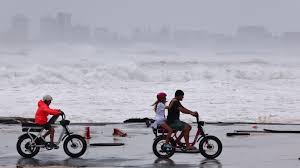
By 2050, the report found the number of coastal communities located in “high and very high risk areas” in Australia will increase and if populations levels remain at current levels, this will mean more than 1.5 million people will be at risk.
Areas in northern Australia, along with remote communities and outer suburbs of major cities, were particularly at risk, the report said.
“This will put pressure on health, critical infrastructure, natural species and ecosystems, and primary industries,” the report warned, as well as posing extra challenges for emergency responders.
The report also found that coral reefs such as the Great Barrier Reef in Queensland and Ningaloo Reef in Western Australia – both already hit by record bleaching events – will face higher risks of “bleaching and biodiversity loss” due to warmer oceans.