BBC:
Pakistan has deported more than 19,500 Afghans this month, among more than 80,000 who have left ahead of a 30 April deadline, according to the UN.
Pakistan has accelerated its drive to expel undocumented Afghans and those who had temporary permission to stay, saying it can no longer cope.
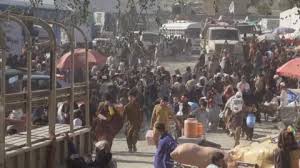
Between 700 and 800 families are being deported daily, Taliban officials say, with up to two million people expected to follow in the coming months.
Pakistani Foreign Minister Ishaq Dar flew to Kabul on Saturday for talks with Taliban officials. His counterpart Amir Khan Muttaqi expressed “deep concern” about deportations.
Some expelled Afghans at the border said they had been born in Pakistan after their families fled conflict.
More than 3.5 million Afghans have been living in Pakistan, according to the UN’s refugee agency, including around 700,000 people who came after the Taliban takeover in 2021. The UN estimates that half are undocumented.
Pakistan has taken in Afghans through decades of war, but the government says the high number of refugees now poses risks to national security and causes pressure on public services.
There has been a recent spike in border clashes between the security forces of both sides. Pakistan blames them on militants based in Afghanistan, which the Taliban deny.
Pakistan’s foreign ministry said the two sides had “discussed all issues of mutual interest” in Saturday’s meeting in Kabul.
Pakistan had extended a deadline for undocumented Afghans to leave the country by a month, to 30 April.
On the Torkham border crossing, some expelled Afghans told the BBC they left Afghanistan decades ago – or had never lived there.
“I lived my whole life in Pakistan,” said Sayed Rahman, a second-generation refugee born and raised in Pakistan. “I got married there. What am I supposed to do now?”
Saleh, a father of three daughters, worried what life under Taliban rule will mean for them. His daughters attended school in Pakistan’s Punjab province, but in Afghanistan, girls over the age of 12 are barred from doing so.
“I want my children to study. I don’t want their years in school to go to waste,” he said. “Everyone has the right to an education.”
Another man told the BBC: “Our children have never seen Afghanistan and even I don’t know what it looks like anymore. It might take us a year or more to settle in and find work. We feel helpless.”