BBC:
Oil prices hit $100 a barrel for the first time since May as the escalating conflict in the Middle East reignited fears over global energy supplies.
Brent crude – the global benchmark for oil prices – rose more than 6%on Thursday following several days of increases as the US stepped up military strikes against Iran.
Prices spiked after Houthi militia in Yemen attacked oil tankers in the Red Sea, threatening a key export route that Saudi Arabia has used to bypass the Strait of Hormuz.
Gas prices have also risen steadily over the past month, with the benchmark UK gas price currently at around 150 per therm, up from around 98p at the end of June.
Oil prices had been falling following a temporary ceasefire between the US and Iran.
They dropped back to levels last seen before the US and Israel began military action against Iran on 28 February.
However, the ceasefire has failed and this week US Secretary of State Marco Rubio said the people in charge in Iran were “not ready to make a deal”.
The ongoing conflict risks pushing up inflation for many countries, including UK and the US leading to higher prices for consumers.
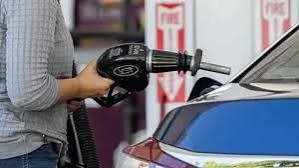
Higher oil prices typically lead to petrol and diesel becoming more expensive.
While drivers are affected directly, households could also see prices of other goods, such as food, increase due to businesses passing on higher transportation costs to customers.
Inflation has fallen both in the UK – down to 2.6% in the year to June helped by slowing diesel and petrol prices – and in the US to 3.5%.
But questions remain whether the slow down will prove short-lived due to the renewed conflict in the Middle East.
New data released on Thursday showed that UK petrol prices have risen by 5p a litre since the beginning of July, hitting reaching almost £1.56.
Diesel is at £1.72 a litre, on average, according to the RAC.
Average gasoline prices in the US have surpassed $4 a gallon once more, up from $3.92 a month ago, according to motorist advocacy group AAA.
“More expensive fuel and energy can ripple through the wider economy, increasing costs for businesses and ultimately feeding through into the price of food and other goods,” said Jonathan Raymond, investment manager at Quilter Cheviot.
“This creates another headache for central banks as they continue their battle against inflation.
“If energy prices remain elevated, policymakers may come under pressure to keep interest rates higher for longer or even raise them. This would come as a blow to mortgage holders and borrowers already feeling the strain.”