BBC:
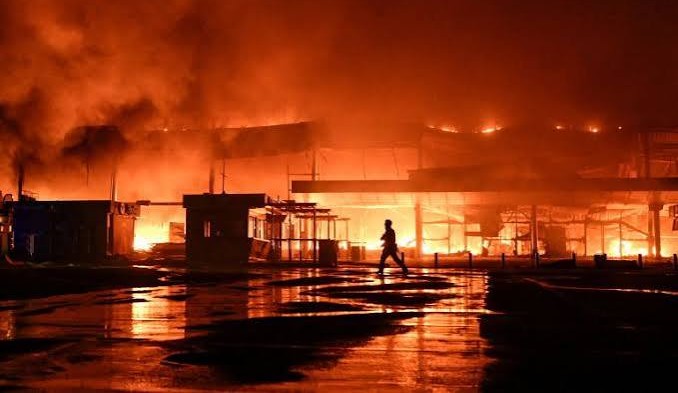
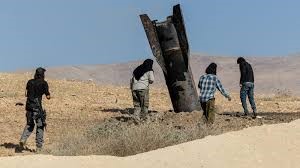
When Iran launched missiles and drones at Israel overnight in response to Israeli attacks on Hezbollah in Lebanon, the immediate military significance of the attack appeared to be limited. The political significance, however, may be far greater.
For years, Iran has generally justified direct attacks on Israel as retaliation for actions against Iranian territory, commanders or interests. This time was different. Tehran acted after an attack on one of its allies, following an Israeli strike on what it said was a Hezbollah-linked building in southern Beirut.
On Monday, Iran’s military said it would stop strikes on Israel, but the decision to strike at all raises an important question: why did Iran’s leadership feel that the time was right to take such a step, knowing it risked renewed Israeli military action and potentially jeopardising fragile peace negotiations with the United States?
Part of the answer may lie in how Iran’s leaders assess their position after months of conflict.
The Islamic Republic emerged from the war weakened in some respects but also with a stronger sense of its own resilience.
Despite extensive Israeli and American military pressure, economic sanctions and a US naval blockade, the state survived. The government is still in power, its security apparatus remains intact, and no mass uprising materialised despite repeated predictions from its opponents.
That experience may have altered Tehran’s calculations.
Rather than seeing itself as a vulnerable actor seeking to avoid confrontation at all costs, Iran may increasingly view itself as a power that has weathered the worst and can now afford to enforce new red lines.
The strike on Israel may therefore have been intended less as retaliation and more as deterrence. Tehran could be signalling that attacks on its regional allies will no longer be treated as separate from attacks on Iran itself.
Such a message would have particular importance for Hezbollah, Iraqi militias and other members of Iran’s regional network known as the “Axis of Resistance”. The credibility of Iran’s influence has always rested partly on the belief that it will stand behind its partners. Failing to respond after publicly warning Israel could have damaged that credibility.
Viewed in this light, the strike was not simply aimed at Israel. It was also directed at US and Israeli allies across the region who were watching closely to see whether Tehran would act on its threats.
The timing is equally intriguing.
US President Donald Trump had recently suggested that a deal might be within reach. Conventional logic would suggest that Iran should avoid actions that could endanger diplomacy.
Yet Tehran may believe the opposite.