BBC:
G7 nations have said they are ready to take “necessary measures” to support the global supply of energy after the US-Israel war with Iran sent oil prices surging.
However, a meeting of G7 finance ministers and the International Energy Agency (IEA) ended without an agreement to release strategic crude reserves.
The oil price reached nearly $120 a barrel on Monday, over fears of a lengthy disruption to supplies, before falling back sharply after President Trump raised hopes the war would soon end.
At the virtual meeting, the option of releasing oil from stockpiles was one of several discussed as Fatih Birol, head of the IEA, said global oil markets “have deteriorated in recent days”.
Birol said: “In addition to the challenges of transit through the Strait of Hormuz, a substantial amount of oil production has been curtailed. This is creating significant and growing risks for the market.
“IEA member countries currently hold over 1.2 billion barrels of public emergency oil stocks, with a further 600 million barrels of industry stocks held under government obligation.”
Following the meeting, French finance minister Roland Lescure said, “we are not there yet,” on the question of whether emergency stocks will be released.
If reserves are released it would be the first time since 2022 following Russia’s full-scale invasion of Ukraine.
In a statement following the meeting, the G7 said: “We stand ready to take necessary measures, including to support global supply of energy such as stockpile release.”
Chancellor Rachel Reeves said on Monday the UK used the meeting to call for “immediate de-escalation” in the Middle East and guaranteed security for ships in the region.
“I stand ready to support a co-ordinated release of collective IEA oil reserves,” she added.
Major disruption to energy supplies from the region threatens to push up prices for consumers and businesses around the world. Rising inflation could lead to fewer interest rate cuts by central banks.
About a fifth of the world’s oil supply is usually shipped through the Strait of Hormuz. But traffic through the narrow passage has all but halted since the war started more than a week ago.
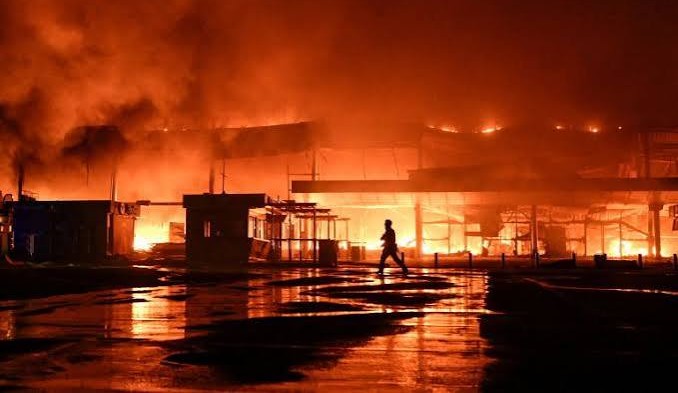
The US and Israel launched fresh waves of airstrikes across Iran over the weekend, hitting multiple targets including oil depots.
Meanwhile, Iran targeted energy infrastructure in neighbouring Gulf states. Overnight, Saudi Arabia said it had intercepted and destroyed two waves of drones heading towards a major oilfield.