BBC:
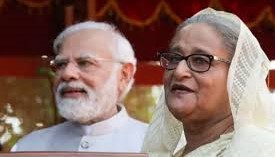
For India, few friendships have been as strategically valuable – and as politically costly – as its long embrace of Bangladesh’s former leader Sheikh Hasina.
During 15 years in power she delivered what Delhi prizes most in its periphery: stability, connectivity and a neighbour willing to align its interests with India’s rather than China’s.
These days she is across the border in India but has been sentenced to death by a special tribunal in Bangladesh for crimes against humanity over her crackdown on student-led protests, which led to her ousting.
The 2024 demonstrations forced her to flee and paved the way for Nobel laureate Muhammad Yunus to lead an interim government. Elections are due early next year.
The fallout from all this has created a diplomatic bind: Dhaka wants Hasina extradited, but Delhi has shown no inclination to comply – making her death sentence effectively unenforceable.
What Delhi intended as humanitarian asylum is turning into a long and uncomfortable test of how far it is willing to go for an old ally, and how much diplomatic capital it is prepared to burn in the process.
Michael Kugelman, a South Asia expert, says India faces four unappealing options.
It could hand Hasina over – “which it really doesn’t want to do”. It could maintain the status quo, though that will become “increasingly risky for Delhi once a newly elected government takes office next year”.
Or, it could press Hasina to stay silent and avoid statements or interviews, something she is “unlikely to accept” as she continues to lead her Awami League party – and something Delhi is unlikely to enforce.
The remaining option is to find a third country to take her in, but that too is fraught: few governments are likely to accept a “high-maintenance guest with serious legal problems and security needs”, Mr Kugelman says.
Extraditing Hasina is unthinkable – India’s ruling party and opposition alike view her as a close friend. “India prides itself on not turning on its friends,” according to Mr Kugelman.
What makes this moment especially awkward for Delhi is the sheer depth – and asymmetry – of the India–Bangladesh relationship, rooted in India’s pivotal role in Bangladesh’s birth.