(Reuters)
KUTUPALONG REFUGEE CAMP, Bangladesh, March 27 – Majuna Khatun sat cradling her six-month-old baby at a rehabilitation centre for Rohingya refugees in Bangladesh, worried her child would be without critical healthcare due to funding cuts from the United States and some European countries.
“Where will I go if this facility closes?” 30-year-old Khatun said at the centre, where her child, whose tiny feet were strapped into orthopaedic braces, receives physiotherapy for clubfoot.
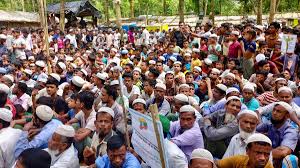
Bangladesh is sheltering more than 1 million Rohingya – members of the world’s largest stateless population who fled violent purges in neighbouring Myanmar – in camps in the Cox’s Bazar district, where they have limited access to jobs or education.
The decision by the administration of President Donald Trump to halt most foreign aid and dismantle the U.S. Agency for International Development (USAID) has caused turmoil in the humanitarian sector globally and the U.N. has warned that it will create dire conditions for refugees.
At the Bangladesh camps, Rohingya refugees fear the cuts will compound food and health issues and lead to a surge in crime.
“There are fewer doctors now. Rohingya volunteers who supported us have been dismissed. People are suffering because they can’t get the treatment they need,” said Mohammad Sadek, a 24-year-old Rohingya.
The U.S. has been the largest provider of aid to the Rohingya refugees, contributing nearly $2.4 billion since 2017, according to a State Department website.
The freeze on funds has forced five U.S.-funded hospitals to reduce services, Mohammed Mizanur Rahman, Bangladesh’s top official overseeing the refugee camps, said last month.‘Maybe I’ll give them a little reduction in tariffs or something to get it done,00:0301:21
About 48 health facilities, including 11 primary care centres, have also been affected, leaving many refugees without access to essential care, said Hasina Rahman, Bangladesh country director for the International Rescue Committee.
“Our priority (now) is to protect the most vulnerable, especially women, girls, and children,” she said.
David Bugden, principal coordinator of the Inter-Sector Coordination Group, which oversees NGO efforts at Cox’s Bazar, said around 300,000 refugees have been impacted by disruptions in healthcare services.
Bangladesh’s foreign ministry and the U.S. embassy did not respond to requests for comment.
Gul Bahar’s four-year-old daughter Mukarrama, suffers from cerebral palsy. She has been undergoing therapy for the past three years which has helped improve her condition.