BBC:
A twelfth monkey died at a Hong Kong zoo, with tests underway to determine if it succumbed to the same bacterial infection that killed 11 other monkeys in the past 10 days.
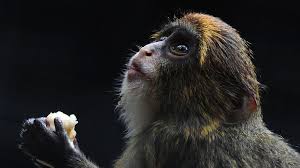
The De Brazza’s monkey had been isolated since 13 October when the first eight deaths were reported.
Autopsies have found a large amount of sepsis-inducing bacteria that likely came from contaminated soil near the primates’ enclosures, authorities said.
Workers who were digging up soil near the cages were believed to have brought in contaminated soil through their shoes, Hong Kong’s Culture, Sports and Tourism Secretary told local broadcaster RTHK.
The risk of the infection spreading to humans is “fairly low”, said Dirk Pfeiffer, a veterinary epidemiologist at the City University of Hong Kong.
He added that soil contamination is often underreported in Asia but “it is always worrying if multiple mortalities suddenly occur in captive animal populations where this has not happened before”.
The 11 monkeys found dead earlier include the critically endangered cotton-top tamarins, as well as white-faced sakis, common squirrel monkeys, and a De Brazza’s monkey.
Authorities said they died due to melioidosis, an infectious disease that can spread through contact with contaminated soil, air or water.
It is caused by Burkholderia pseudomallei, a soil-dwelling bacteria strain endemic in tropical and sub-tropical regions.
The twelfth monkey died on Tuesday and early results indicated that it too had “similar lesions… in the tissues of its organs”, officials said.
While authorities said the health of the remaining 78 mammals in the zoo was “normal”, the mammals section has been closed since 14 October for disinfection and cleaning.
The Hong Kong Zoological and Botanical Gardens is the city’s oldest park and sits at its centre, spread over 14 acres.
Animal rights group Peta has said it is concerned about the risk of zoonotic diseases like monkeypox, which can spread from animals to humans.
“The only way to ensure the emotional and physical health of animals and prevent further deaths and the spread of zoonotic diseases is to stop imprisoning them for ‘entertainment’ and instead focus on protecting their natural habitats,” Peta’s campaign manager Abigail Forsyth told the BBC.
The earliest report of melioidosis in Hong Kong dates back to the mid-1970s, when 24 dolphins suddenly died of the disease in Ocean Park, a theme park.