BBC News:
A new study published in Lancet estimates that 101 million people in India – 11.4% of the country’s population – are living with diabetes.
A survey commissioned by the health ministry also found that 136 million people – or 15.3% of the people – could be living with pre-diabetes.
Type 2 diabetes is the most common form of the condition.
People have high blood sugars because they are unable to make enough insulin, a hormone, or respond to it properly.
The latest study, published in The Lancet Diabetes and Endocrinology, is considered to be the first to comprehensively cover every state to assess the country’s burden of non-communicable diseases.
Researchers said they found that the prevalence of diabetes in India’s population was much higher than previously estimated. The WHO had estimated 77 million people suffering from diabetes, and nearly 25 million were pre-diabetics, at a higher risk of developing diabetes in near future.
“It is a ticking time bomb,” Dr RM Anjana, lead author of the study and managing director at Dr Mohan’s Diabetes Specialities Centre, told The Indian Express newspaper.
“If you have pre-diabetes, conversion to diabetes is very, very fast in our population; more than 60% of people with pre-diabetes end up converting to diabetes in the next five years,” she said.
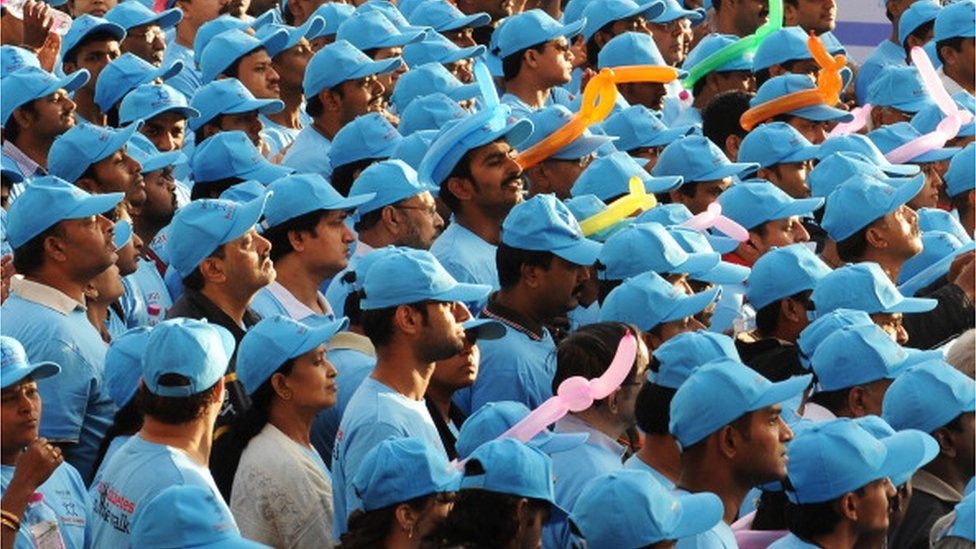
The decade-long study was conducted by the Madras Diabetes Research Foundation with the Indian Council of Medical Research (ICMR) and involved 113,000 participants over the age of 20 from every state in India.
Data collected in 2008 was extrapolated for 2021 using demographics in the latest National Family Health Survey, the most comprehensive household survey of health and social indicators by the government.
The highest prevalence of diabetes was observed in Goa (26.4%), Puducherry (26.3%) and Kerala (25.5%).
The study warned of a sharp rise in diabetes in states like Uttar Pradesh, Madhya Pradesh, Bihar and Arunachal Pradesh where the prevalence was lower.
Also diabetes was more frequent in urban than rural areas, the study found.
“Changing lifestyles, improved standards of living, migration to cities, erratic working hours, sedentary habits, stress, pollution, change in food habits and easy availability of fast food are some of the reasons why diabetes is rising in India,” Rahul Baxi, a consultant diabetologist at Bombay Hospital, told the BBC.
Dr Baxi said that diabetes was “no more a disease of the affluent or of those living in cities”.
“I see a good number of patients travelling from smaller towns. The prevalence of pre-diabetes is even higher and many people are undiagnosed for a long time.”
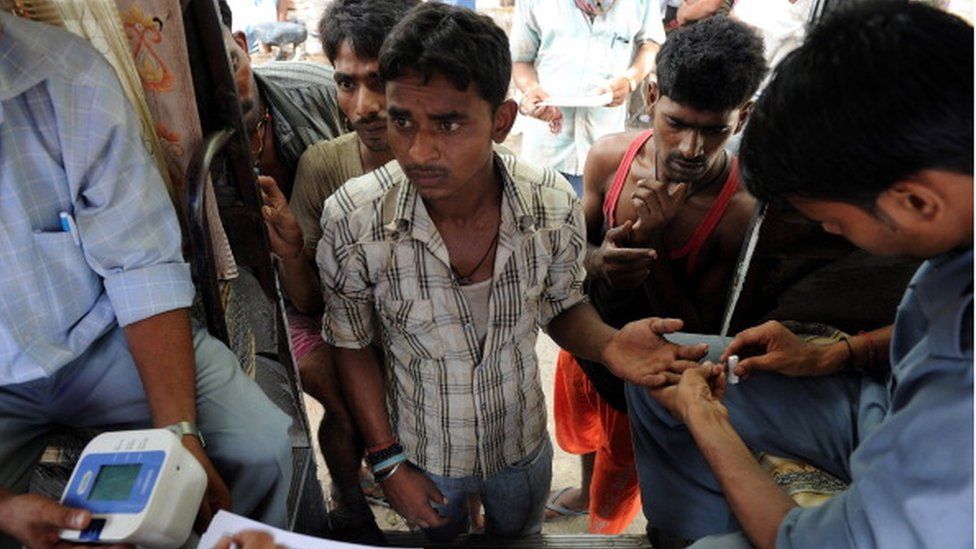
Dr Baxi said he had been seeing a lot of younger patients over the last few years.
“I have seen some cases of children of my patients who just checked their glucose levels at home because their parents were checking and they found the levels high!,” he said.
Diabetes affects about one in 11 adults worldwide and increases the risk of heart attack, stroke, blindness, kidney failure and limb amputation.
It is normally split into type 1 and type 2.
Type 1 diabetes is a disease of the immune system. It errantly attacks the body’s insulin factories (beta-cells) so there is not enough of the hormone to control blood sugar levels.
Type 2 diabetes is largely seen as a disease of poor lifestyle as body fat can affect the way the insulin works.